Retaining Wall Installation in Escondido, CA
Looking for a retaining wall installation in Escondido? We understand Escondido's clay-heavy soils, seasonal rain patterns, and the specific permitting requirements that come with hillside construction here.
Retaining Wall Installation Across Escondido, CA
Escondido sits in a valley in North San Diego County, surrounded by rolling hills and canyon terrain. That geography is exactly why retaining walls are such a common project here — more so than in flatter parts of the county.
With a population of roughly 145,000 residents, Escondido is one of the larger cities in San Diego County, and much of its housing stock was built directly into hillside and canyon-adjacent lots. That’s especially true in the city’s older, established neighborhoods as well as newer hillside developments.
Escondido at a Glance
- Population: Approximately 145,000 residents
- Location: North San Diego County, in a valley surrounded by hills and canyons
- Terrain: Hillside lots, canyon edges, and sloped residential parcels are common throughout the city
- Climate: Warm, dry summers and a defined winter rainy season, which puts seasonal stress on unsupported slopes
- Housing: A mix of established mid-century neighborhoods and newer hillside developments, many built on graded slopes
Neighborhoods We Commonly Work In
Retaining wall needs vary block by block in Escondido, since terrain changes quickly across the city. We regularly work with homeowners in areas including:
- Old Escondido — historic homes on established, often sloped lots near downtown
- Eureka Springs — newer hillside development in southern Escondido
- Felicita — hillside terrain near Felicita County Park
- Hidden Meadows — upscale hillside properties with larger lots and steeper grades
- Kit Carson — family neighborhoods near Kit Carson Park with varied lot terrain
- Lake Hodges / East Valley — properties near the lake with natural slope and drainage considerations
- San Pasqual Valley — rural and semi-rural lots bordering agricultural land
- East Escondido and Bear Valley — established residential areas with a mix of flat and sloped lots
If your neighborhood isn’t listed here, that’s not a problem — we work across Escondido and the surrounding North County area.
Why Escondido’s Geography Matters for Retaining Walls
Because Escondido was developed across valley floors, hillsides, and canyon edges, soil behavior can differ significantly from one property to the next, even on the same street. A wall design that works well in one neighborhood may need a different approach a few blocks away.
Seasonal rain adds another layer. Slopes that seem stable in the dry summer months can shift or erode once winter rains saturate the soil. That’s why drainage planning is such a central part of every retaining wall we design in this area.
Understanding these local patterns — rather than applying a one-size-fits-all wall design — is part of what makes a retaining wall built for Escondido different from a generic installation.
What Is Retaining Wall Installation?
Retaining wall installation is the process of building a structural wall designed to hold back soil on a sloped or uneven property. The wall resists the natural pressure of the earth behind it, keeping soil from shifting, eroding, or collapsing.
The process typically involves excavation, base preparation, drainage installation, and then building the wall itself using the chosen material — whether that’s concrete, block, or natural stone.
Homeowners usually need this service when they notice slope erosion, drainage problems, cracking pavement near a slope, or simply want to create more flat, usable yard space.
The main benefits include improved soil stability, better drainage control, increased usable land, and a more polished overall landscape.
Types of Retaining Wall Installation Options Available
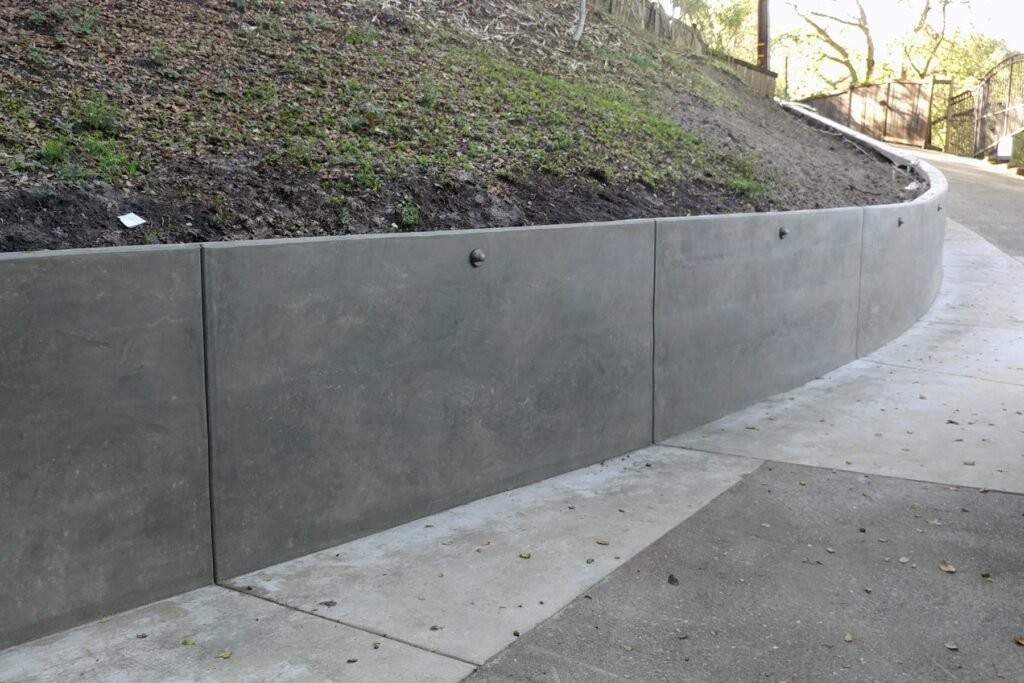
Concrete Retaining Wall Installation
Poured or reinforced concrete walls offer strength and durability, making them a solid choice for taller walls or areas with significant soil pressure.
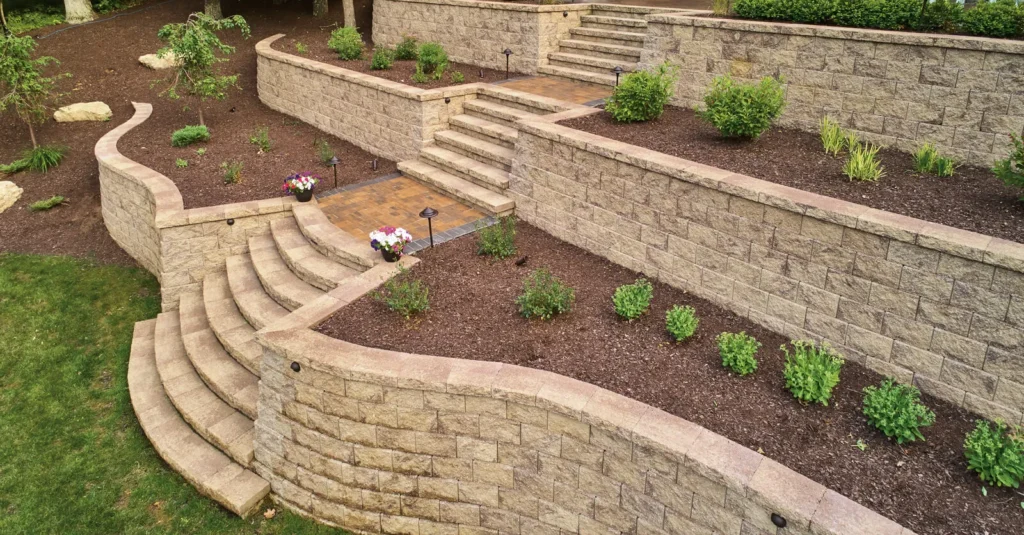
Block Retaining Wall Installation
Segmental block walls are a popular, versatile option. They’re available in a range of styles and colors, and work well for both small garden walls and larger retaining structures.
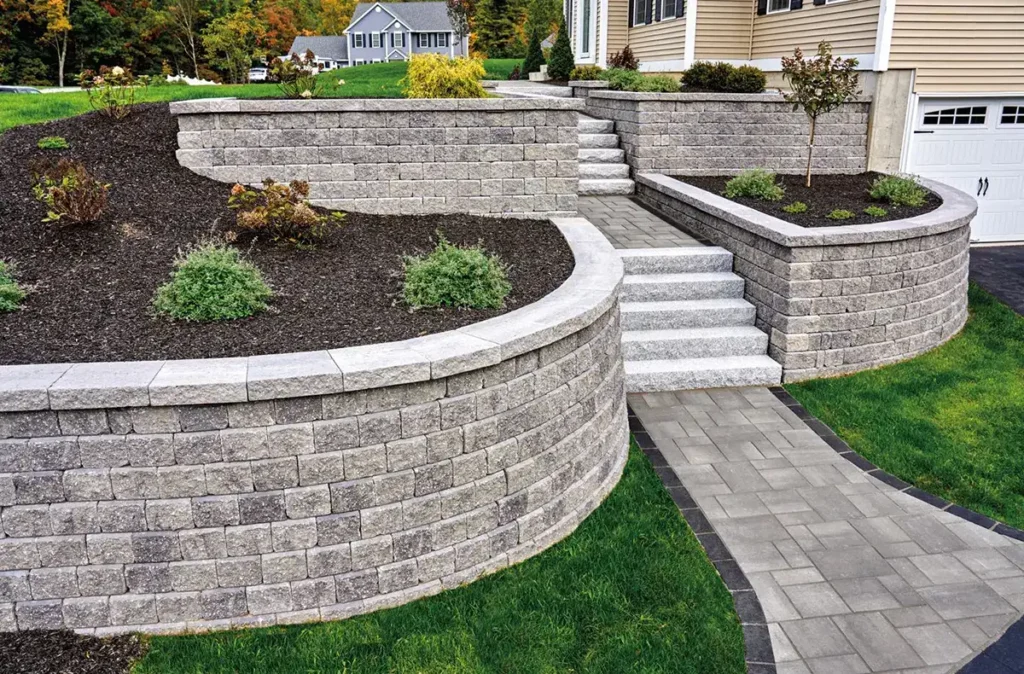
Natural Stone Retaining Wall Installation
Stone walls offer a timeless, upscale look that blends naturally with Escondido’s landscape. They’re a strong fit for homeowners prioritizing curb appeal alongside function.
Benefits of Retaining Wall Installation for Escondido Homeowners
Improves Property Functionality
A well-placed retaining wall transforms an unusable slope into flat, functional space. That could mean room for a garden, a seating area, or simply a yard that's easier to walk and maintain.
Helps Manage Slopes and Soil Movement
Escondido's hillside terrain puts constant pressure on sloped soil, especially after heavy rain. A properly engineered wall holds that soil in place and reduces the risk of shifting or slippage over time.
Improves Drainage and Erosion Control
Retaining walls are typically built with drainage systems behind them, redirecting water away from your home's foundation. This helps prevent the pooling and runoff issues common on sloped Escondido lots.
Enhances Outdoor Appearance
Beyond function, a retaining wall adds structure and visual interest to your landscaping. Materials like natural stone or textured block can complement your home's existing style.
Adds Long-Term Property Value
A solid, well-built retaining wall is a visible sign of a well-maintained property. It's an improvement that protects your land and can positively influence resale value down the line.
Let's Start Your Retaining Wall Project in Escondido
Let’s chat about your ideas! Getting started is easy – simply reach out with details about your retaining wall project!
Why Choose Retaining Wall Contractor Escondido?
Local Knowledge of Escondido Properties
We work throughout Escondido’s hillside neighborhoods and understand the terrain, soil behavior, and slope challenges specific to this area’s residential properties.
Quality Materials and Construction Practices
We use durable, well-suited materials and proper drainage design so your wall is built to hold up over time.
Professional Installation Approach
Every project follows a structured process, from initial assessment through final inspection, to keep the build organized and predictable.
Clear Communication From Start to Finish
We keep you informed at every stage — from your initial estimate to the final walkthrough — so there are no surprises along the way.
Homeowner-Focused Service
We know a retaining wall is a significant investment. Our goal is to make the process straightforward, transparent, and stress-free.
How Much Does Retaining Wall Installation Cost in Escondido?
Typical Project Cost Ranges
| Project Type | Typical Cost Range | Factors Affecting Price |
|---|---|---|
| Small Garden Retaining Wall | $2,500 – $7,000 | Wall height, material, site access |
| Standard Backyard Retaining Wall | $7,000 – $18,000 | Wall length, drainage needs, soil type |
| Large or Tiered Hillside Wall | $18,000 – $45,000+ | Engineering requirements, slope grade, excavation |
| Natural Stone Retaining Wall | $9,000 – $30,000+ | Material sourcing, labor intensity, design detail |
These ranges are general estimates. Every property is different, and final pricing depends on a full site evaluation.
Factors That Affect Retaining Wall Installation Pricing
- Project size — wall length and height directly affect materials and labor.
- Materials — concrete, block, and natural stone vary in cost and installation complexity.
- Labor complexity — taller or tiered walls require more engineering and skilled labor.
- Site accessibility — walls in hard-to-reach backyards may need manual material transport.
- Existing conditions — old walls, tree roots, or utility lines can add complexity.
- Drainage requirements — proper drainage systems add cost but protect the wall long-term.
- Design choices — decorative caps, curves, or tiered designs increase labor time.
Local Escondido Factors That Affect Cost
- Hillside terrain — many Escondido lots require additional grading and engineering for steep slopes.
- Soil conditions — clay-heavy soil common in this area can affect excavation and drainage design.
- Residential lot layouts — narrow side yards or tight backyard access can increase labor time.
- Climate considerations — seasonal rain patterns make proper drainage planning essential for long-term wall performance.
The Retaining Wall Installation Process
1. Property Assessment
We start by evaluating your slope, soil conditions, drainage patterns, and the overall goal for the space.
2. Design and Planning
Next, we design a wall suited to your property’s specific grade, size requirements, and material preferences.
3. Material Selection
You’ll choose from concrete, block, or natural stone based on budget, style, and durability needs.
4. Preparation and Installation
Our team handles excavation, base preparation, drainage installation, and the structural build of the wall itself.
5. Final Inspection and Cleanup
Once installation is complete, we inspect the finished wall, confirm drainage is functioning properly, and clean up the work site.
Need Help?
Common Questions About Retaining Wall Installation in Escondido
Below are some of the most common questions Our Network get from families about Retaining Wall. If you have any other questions contact us!
How much does a retaining wall cost in Escondido?
Most residential walls range from $2,500 for a small garden wall up to $45,000+ for a large, tiered hillside wall. Mid-size backyard walls typically fall between $7,000–$18,000.
How long does retaining wall installation take?
Small walls (under 4 feet, under 30 linear feet) usually take 2–5 days. Standard backyard walls take about 1–2 weeks. Large or tiered hillside walls can take 3–6 weeks.
What's the best material for a retaining wall?
Block runs about $30–$50 per square face foot installed and works for most walls under 6 feet. Concrete costs more but handles taller walls. Natural stone costs the most and suits walls under 4–5 feet where appearance matters most.
Do retaining walls need drainage?
Yes, on virtually all walls over 2–3 feet tall. Drainage typically includes gravel backfill, a perforated drain pipe, and filter fabric behind the wall. Skipping it is the #1 cause of wall failure.
Can an existing retaining wall be repaired instead of replaced?
Often yes if less than 25–30% of the wall is affected and the footing is intact. Leaning of more than 1–2 inches per vertical foot usually means replacement is more cost-effective than repair.
Do I need a permit for a retaining wall in Escondido?
Generally yes for walls over 3 feet tall (measured from the bottom of the footing to the top of the wall), per typical California building code thresholds. Walls under 3 feet often don’t require one, but surcharge conditions can change that. We confirm exact requirements during your site visit.
How long do retaining walls typically last?
Concrete and block walls with proper drainage typically last 50+ years. Natural stone walls can last 75–100 years. Walls without adequate drainage often show problems within 5–10 years.
What causes a retaining wall to fail?
The top 3 causes: inadequate drainage (most common), footing that’s too shallow for the soil load, and wall height built beyond what the design can safely support.
Can a retaining wall increase my property value?
Retaining walls are generally viewed as a functional improvement rather than a guaranteed dollar-for-dollar return. Their bigger value is protecting the property and adding usable square footage, which appraisers and buyers do factor into overall condition.
Contact Retaining Wall Contractor Escondido Today
If your property has a slope that needs support — or a yard that could use more usable space — a properly installed retaining wall is a smart, lasting investment.
We work with Escondido homeowners to design and build walls suited to their specific terrain, drainage needs, and style preferences.
Every project starts with a free, no-pressure consultation, so you can understand your options before making any decisions.